
Dundalk · Baltimore, MD
Dental Veneers in Dundalk
Thin shells bonded to the front teeth.
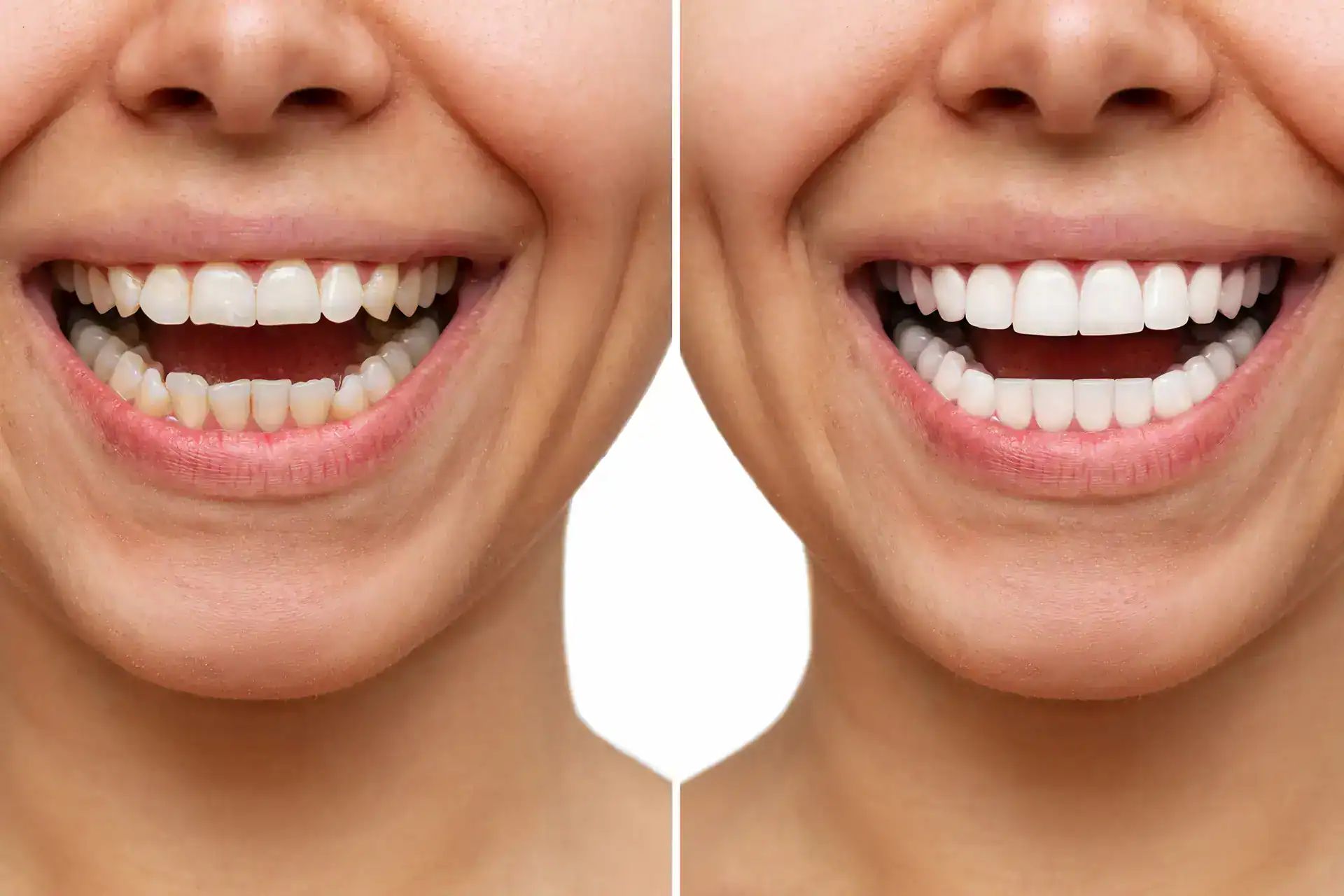
What veneers are
What they fix
What happens at your appointment
Worth knowing before you commit
Not sure this is the right answer for you? Dr. Truong will tell you either way.
Request an appointmentAre veneers right for you?
Veneers change how teeth look, not how they work. Decay and gum disease are treated first.
Veneers can help with
- Teeth that are chipped or broken.
- Staining that whitening won't shift.
- Teeth that are slightly crooked or misshapen.
- Small gaps.
Worth talking through first
- You clench or grind your teeth, or have a deep overbite. Veneers may not suit you.
- Enamel is removed to fit them and doesn't grow back, so that tooth will always need a veneer.
- Insurance often doesn't cover veneers unless they're medically necessary.
What happens, step by step
Porcelain veneers usually take two visits.
Choosing the shade
The shape and shade are decided first. Porcelain doesn't whiten later, so the shade is chosen once.
Preparing the teeth
A thin layer of enamel is taken off the front of each tooth, so the veneer sits flush.
Impressions
Impressions of your teeth go to the lab where the veneers are made.
Bonding
At the second visit, each veneer is tried in, checked against the teeth around it, and bonded.
Looking after veneers
Day to day
- Brush twice a day with fluoride toothpaste and clean between your teeth daily. Cavities can still form around a veneer.
- Don't chew hard food or bite your nails.
- Wear a mouthguard for sports.
- Go easy on coffee, tea and red wine.
Call us if
- A veneer chips, cracks or comes loose.
- You notice a dark spot near the edge of a veneer.
Cost, insurance and financing
Insurance
We accept most major dental insurance, including Maryland Healthy Smiles. What a plan pays toward this treatment varies, so call 410-284-1414 and ask about yours.
See the plans we acceptMonthly payments
You can spread the cost over monthly payments through Cherry, a patient financing company.
How financing worksQuestions about veneers
Porcelain or composite?
Porcelain is strong, lasts well and looks natural, but it usually costs more. Composite needs less enamel removed and fewer visits, and it's easier to repair, but it stains and wears more.
Can veneers be removed?
Not really. Enamel is taken off to fit them, so the treatment can't be undone.
Can I whiten my veneers?
No. Whitening doesn't work on veneers, so the shade is chosen once and your other teeth are matched to it.
How long do veneers last?
They can chip, crack, wear down or loosen over time, and may need repairing or replacing.
Related treatments
Sources: American Dental Association, MouthHealthy, "Veneers" and "Teeth Whitening," checked 23 October 2026. Practice details are from this website. Last reviewed October 2026.