
Dundalk · Baltimore, MD
Root Canal in Dundalk
Clears the infected nerve so the tooth can stay where it is.
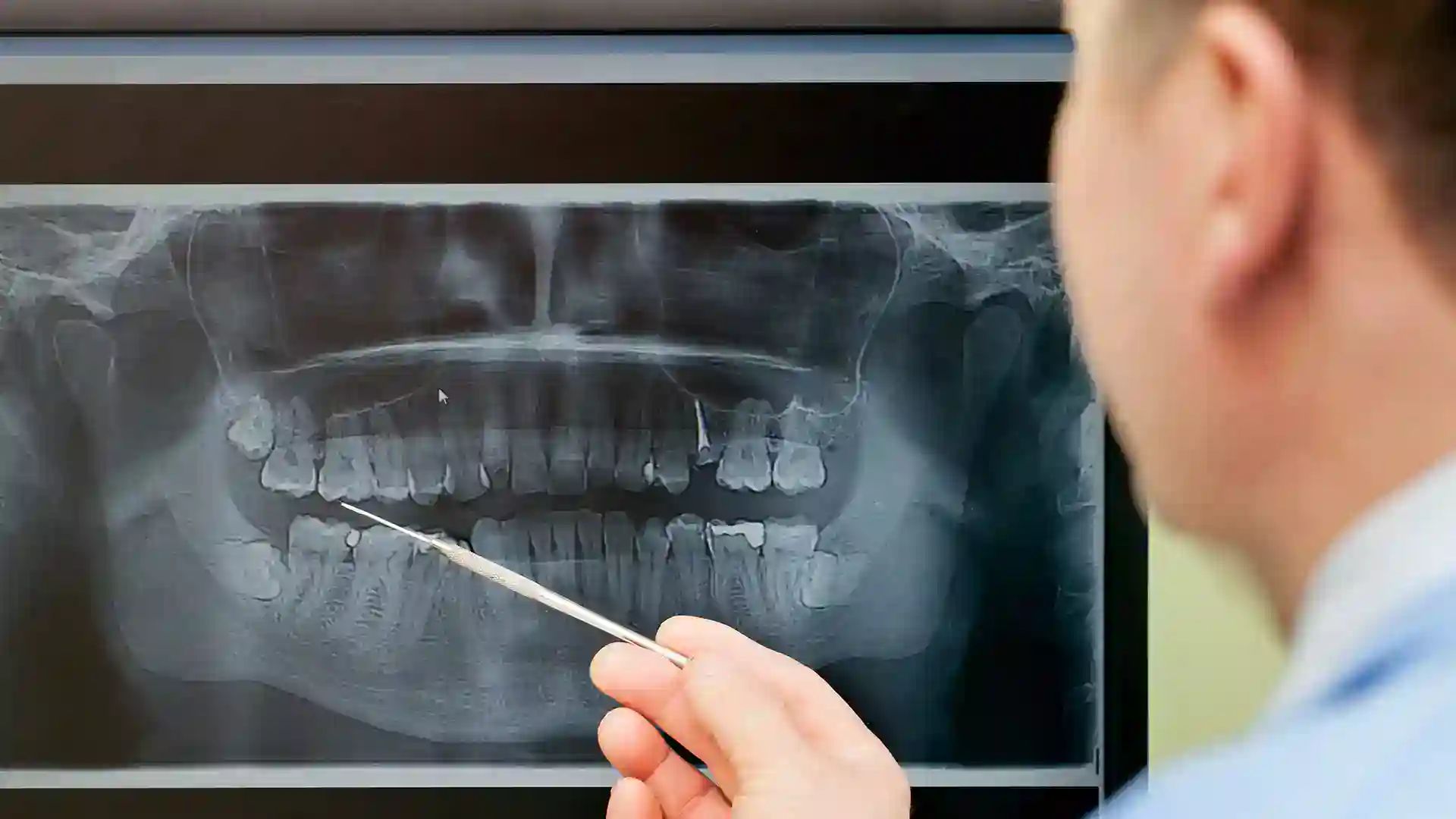
What a root canal does
Why keep the tooth
What it is like
Afterwards
Not sure this is the right answer for you? Dr. Truong will tell you either way.
Request an appointmentDo you need a root canal?
Dr. Truong checks with an exam and X-rays. These are the usual reasons and signs.
Common reasons
- A deep cavity has reached the nerve.
- The tooth is cracked or broken.
- An injury has damaged the tooth.
- The tooth has had repeated work done on it.
Signs to watch for
- The tooth aches.
- Swelling, or redness in the gum.
- A bad taste in your mouth, or a fever.
What happens, step by step
A root canal usually takes one or two visits.
X-rays and numbing
The tooth is X-rayed and numbed, and a thin rubber sheet goes over it to keep it dry.
Cleaning the canals
The top of the tooth is opened, the infected nerve is removed, and the canals are cleaned and disinfected.
Filling and sealing
The canals are filled and sealed so the infection can't come back. A temporary filling protects the tooth.
The crown
At a follow-up visit, the temporary filling is replaced with a permanent filling or a crown. A crown is usually fitted, because a tooth without its nerve is more brittle.
After a root canal
Day to day
- The tooth may be sensitive for a few days.
- If you were given antibiotics, take them as directed.
- Brush twice a day for two minutes, clean between your teeth once a day, and keep your checkups.
Call us if
- The sensitivity lasts longer than a few days.
- The temporary filling comes out.
- Swelling, a fever or a bad taste comes back.
Cost, insurance and financing
Insurance
We accept most major dental insurance, including Maryland Healthy Smiles. What a plan pays toward this treatment varies, so call 410-284-1414 and ask about yours.
See the plans we acceptMonthly payments
You can spread the cost over monthly payments through Cherry, a patient financing company.
How financing worksQuestions about root canals
Does a root canal hurt?
The tooth is numbed first, so there should be little to no pain. The pain people link with root canals comes from the infection, and it should stop once treatment is done.
How many visits does it take?
Usually one or two.
Why not just take the tooth out?
Then there's a gap to deal with, and the teeth on either side start to drift. A root canal keeps your own tooth in place.
Will I need a crown?
Usually. A tooth without its nerve is more brittle, so a crown is fitted to stop it splitting.
How long will the tooth last?
With good care, a restored tooth can last a lifetime.
Related treatments
Sources: American Dental Association, MouthHealthy, "Root Canals" and "Abscess," checked 23 October 2026. Practice details are from this website. Last reviewed October 2026.